Baseball Themed: A Designer’s Embroidery Review
When evaluating a new machine embroidery design for commercial or personal use, my first question is always about versatility. Does the artwork translate well from screen to stitch? As a designer who regularly creates custom apparel and boutique merchandise, I approached this Baseball Themed asset with a critical eye toward real-world application. While the product description highlights its availability as an SVG, Transparent PNG, EPS, and DXF, these are primarily vector and raster formats ideal for cutting machines, sublimation, and digital mockups. For those of us in the craft business looking to adapt this for needle and thread, understanding how these clean lines convert into a digital embroidery file is essential before committing to production.
First Impressions and Visual Personality
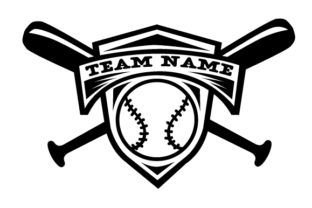
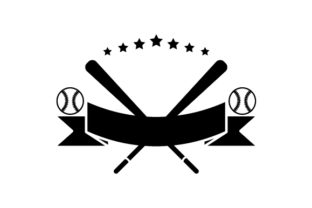
The Baseball Themed aesthetic immediately evokes nostalgia and Americana, making it a staple for School Amp events, little league celebrations, and summer Crafts. Visually, baseball motifs rely heavily on bold geometry—the circle of the ball, the curve of the bat, and the distinct diamond shape. From a design perspective, this is excellent news for embroiderers. Geometric shapes tend to digitize cleanly because they offer clear boundaries for satin stitch columns and defined areas for fill stitch.
However, the mood of this design leans towards classic and clean rather than grunge or distressed. This clarity suggests it will perform best as a centerpiece graphic rather than a subtle background texture. When I look at this asset, I see potential for high-contrast color blocking. The visual personality is confident and recognizable, which is crucial for buyer engagement. Whether you are an Etsy seller creating team mom sweatshirts or a maker designing nursery decor, the design communicates its purpose instantly without needing excessive explanation.
Real-World Application: The Custom Tote Bag Test
To truly judge this design, I mentally placed it on a canvas tote bag design project intended for a local youth league fundraiser. Totes are a fantastic test case because canvas is stable yet textured, requiring a balance of density and coverage. In this scenario, the Baseball Themed graphic serves as the primary focal point.
For a project like this, I would likely treat the vector source as a template for an applique design. Using the SVG or DXF file to cut fabric pieces ensures perfect edges, while the embroidery machine handles the securing stitches. This hybrid approach reduces stitch density, keeping the tote bag lightweight and flexible rather than stiff and bulletproof. If stitching out fully, the bold lines of the baseball theme allow for crisp running stitch details that remain visible even on the weave of natural canvas. The result is a handmade product that feels professional and durable enough for carrying equipment or groceries, directly increasing the perceived value of the finished item.
Navigating Fabric Choices and Hoop Constraints
While the theme is versatile, execution depends entirely on your substrate. Baseball graphics often feature intricate stitching details on the ball itself. On thick fabrics like fleece or terry cloth, these fine details can get lost or cause puckering if the stabilizer choice is inadequate. I recommend testing on scrap fabric first, especially if you are working with stretchy knits for sweatshirt embroidery. The tension required for dense satin borders can distort jersey fabric if not properly supported with cut-away stabilizer and perhaps a topping to prevent stitches from sinking.
Conversely, when working with thin fabrics for baby embroidery or lightweight tees, you must be cautious of design weight. A large, solid-fill baseball motif might be too heavy for delicate cotton. In these cases, utilizing the provided vector files to create a lighter, outline-only version or a smaller embroidered patch is a smarter strategy. Always confirm your hoop size capabilities before starting; baseball designs often have wide aspect ratios that may require repositioning or resizing to fit standard hoops without distortion.
Commercial Viability for Makers and Sellers
For creative entrepreneurs and small shop owners, time is money. The inclusion of Transparent PNG and EPS formats is a significant advantage for workflow efficiency. Before I even thread my machine, I use these files to create a printable mockup for client approval or social media marketing. Being able to show a customer exactly how the Baseball Themed design will look on a navy cap versus a white onesie builds trust and reduces revision rounds.
From a licensing and sales perspective, always verify the specific terms attached to these design assets. While the formats suggest digital flexibility, ensuring you have the right to sell finished commercial embroidery products is non-negotiable. Assuming the license permits, this theme is evergreen. Unlike trendy pop-culture references that fade in months, baseball remains relevant season after season. This longevity makes it a safe investment for inventory planning, whether you are stocking up for spring sports seasons or creating timeless personalized gift items for grandparents.
Technical Considerations for Digitizing and Stitching
Since the provided files are vector and image-based, converting them into a stitch-ready format requires careful attention. Do not rely solely on auto-digitizing software. Baseball themes demand precision; a crooked seam line on a stitched baseball looks amateurish. When creating your embroidery file:
- Check Thread Colors: Traditional red and white are iconic, but consider offering neutral or team-specific palettes to broaden your market appeal.
- Review Stitch Density: Ensure underlay is sufficient for the fabric type to prevent gaps or registration issues between the ball and the stitching lines.
- Inspect Small Details: If the design includes tiny text or lace-like stitching on the ball, verify legibility at your intended print size. You may need to simplify elements for smaller applications.
- Test Contrast: Run a black-and-white simulation to ensure the design reads well without relying solely on color differentiation.
These technical checks separate hobbyist output from professional-grade small shop product quality. Remember that a clean backside is just as important as a pretty front, especially for items like blankets and towels where the reverse side touches skin.
Final Verdict on Design Utility
The Baseball Themed collection offers a strong foundation for makers who understand the translation process from vector art to stitched reality. Its geometric nature makes it forgiving for beginners yet structured enough for experts to produce high-end results. The multi-format delivery supports a modern, hybrid workflow where digital previews and physical production go hand-in-hand.
Whether you are embellishing a holiday embroidery ornament, branding a boutique, or fulfilling custom orders for a local team, this design brings immediate recognition and emotional connection. Just remember to respect the physics of thread and fabric. By pairing this classic aesthetic with proper stabilization, thoughtful digitizing, and rigorous testing, you can turn these digital assets into tangible, profitable, and cherished finished product creations that stand the test of time and wash cycles alike.