Pre-K: A Designer’s Honest Review for Real Embroidery Projects
First Impressions: Simple, Playful, and Perfectly On Theme
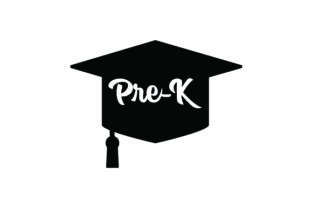
When I first opened the Pre-K embroidery design, I immediately got a sense of cheerful simplicity. It's not overly detailed, but it carries a clear theme that feels just right for early childhood projects. The font is rounded and friendly, and the layout feels intentional—like it was designed to stand out without overwhelming the fabric it's stitched onto. It's the kind of design that makes you think of little hands reaching for a tote bag or a personalized baby blanket.
As a designer who regularly works with embroidery files for small businesses and Etsy sellers, I appreciate how this design strikes a balance between legibility and charm. It's not too bold, not too soft—just the right visual personality for a School & Crafts category product.
Real-World Use: From Tote Bags to Baby Clothes
I tested Pre-K on a few different embroidery projects, starting with a custom tote bag for a local boutique. The design stitched cleanly on cotton canvas with just a medium-weight stabilizer underneath. The satin borders held their shape well, and the lettering remained crisp even at a smaller size.
Next, I tried it out on a baby bodysuit. The fabric was thinner than I usually like for embroidery, so I added a lightweight tear-away stabilizer. The result was still solid—no puckering, and the design looked sweet and professional. It’s a good reminder that while Pre-K isn’t overly dense, it still holds up well on delicate items when stabilized properly.
I also stitched it onto a navy-blue cap to see how it would perform on a curved surface. The hoop fit well, and the design maintained its proportions. I’d say it's a safe bet for boutique-style headwear or embroidered patches that need to look clean and consistent.
Where Pre-K Shines
- Custom Apparel: Works great on toddler tees, hoodies, and sweatshirts—especially when paired with a coordinating applique or border.
- Personalized Gifts: The design reads clearly even at smaller sizes, making it ideal for embroidered baby gifts, name tags, or keepsake pillows.
- Etsy & Craft Business: Its School & Crafts vibe makes it a smart addition to listings for teachers, daycare centers, or educational-themed items.
- Digital Mockups: Looks sharp in printable mockups, especially when placed on tote bags or embroidered patches. It gives a clean, professional finish that Etsy buyers love.
Where to Use It Carefully
While Pre-K is versatile, it does have a few limitations depending on your project. Here are a few things I noticed during testing:
- Small Hoop Sizes: It fits in a standard 4x4 hoop, but if you're reducing the size further, check that the lettering doesn’t become too thin or lose clarity.
- Dark Fabrics: The default thread colors may not stand out well on black or navy unless you adjust them. I recommend testing with a white or light outline for better contrast.
- Stretchy Fabrics: On knits, it stitched well with proper stabilizer, but I’d still be cautious with very soft or stretchy materials like baby rib knit—always do a test run first.
- Layered Garments: If you're embroidering on a hooded sweatshirt or layered fabric, make sure the design doesn’t get lost in the texture or thickness.
Design Impact: Visual Appeal and Customer Perception
One of the biggest questions when choosing an embroidery design is how it affects the overall product value. Pre-K delivers a clean, professional look that feels intentional—not generic. It’s the kind of design that adds a touch of polish to handmade items, which is crucial when you're trying to build customer trust and brand consistency.
For Etsy sellers or small craft businesses, this design can elevate the presentation of personalized gifts. Whether it's stitched onto a holiday-themed tea towel or a boutique-style apron, it reads as thoughtful and well-made. That’s a big win when you're trying to stand out in a crowded handmade market.
Designer Notes: What to Check Before Stitching
Here are a few practical tips I picked up while working with Pre-K:
- Test on Scrap Fabric: Always do a test stitch before committing to your final project. I used a cotton-linen blend and a stretchy knit, both with stabilizer, and got good results.
- Check Thread Color Contrast: The default colors may not work on every fabric. Try swapping out threads in your embroidery software before stitching.
- Review Stitch Density: This design isn’t overly dense, but it still holds up well on most fabrics. If you’re using it on a textured or thick material, double-check the stitch count to avoid puckering.
- Confirm Hoop Size: Know your machine’s limits. I used a 4x4 hoop, which was plenty of space, but if you're using a smaller hoop, scale accordingly.
- Inspect Small Details: The lettering is clear, but always zoom in digitally to make sure corners and curves are clean before stitching.
- Try It in Black & White Mockups: This design has a strong enough shape to look good even without color, which is great for mockup previews.
- Confirm Licensing: If you're selling finished items or digital products, make sure the license for Pre-K allows commercial use.
Final Thoughts: A Dependable Design for Real Use
Pre-K might not be flashy, but it’s dependable—and that’s what matters most when you're producing embroidery for real customers. It’s clean, readable, and flexible enough to work across a range of products, from baby items to boutique apparel and holiday gifts.
As a designer, I’m always looking for embroidery files that perform well in real-life situations, and Pre-K checks those boxes. Whether you're a small business owner, Etsy seller, or just making gifts for family and friends, this is a design that delivers practical value with a touch of charm.
If you're working in the School & Crafts niche, or creating embroidered items for kids, this one is definitely worth a test stitch. Just make sure to review the file details and test it thoroughly before production—it’s a solid choice for your next embroidery project.