Baseball Theme: A Designer’s Embroidery Review
As a professional embroidery designer and product reviewer, I approach every new asset with a critical eye toward production reality. When evaluating the Baseball Theme design package, my primary concern is not just how the artwork looks on a screen, but how it translates into thread on fabric. This review focuses on the practical application of this design for crafters, Etsy sellers, and apparel decorators who need reliable results for client projects and commercial merchandise. While the product description highlights availability in SVG, Transparent PNG, EPS, and DXF formats, these are primarily vector and raster graphic formats. For machine embroidery, you must verify if a dedicated stitch file (such as DST, PES, or EXP) is included or if you will be digitizing these vectors yourself. Assuming you have the appropriate embroidery file or plan to digitize from these high-quality vectors, here is my assessment of its real-world performance.
Visual Personality and Project Alignment
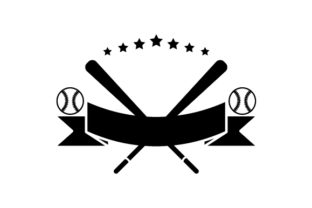
The first impression of the Baseball Theme collection is one of classic Americana and structured nostalgia. The aesthetic leans heavily into the "School Amp" category, suggesting bold lines, traditional typography, and recognizable iconography like bats, balls, gloves, and diamond layouts. Visually, this creates an immediate sense of team spirit and seasonal relevance. For a handmade product, this theme naturally bridges the gap between personalized gifts and boutique retail items. It does not feel overly juvenile; rather, it possesses a versatility that suits everything from little league uniforms to adult fan gear.
In terms of layout, baseball-themed designs typically rely on strong silhouettes and circular or shield-like framing. This geometry is excellent for embroidery because it provides natural boundaries for hooping and placement. However, the visual weight can be heavy. If you are planning sweatshirt embroidery or custom apparel, the design commands attention. It works best as a centerpiece rather than a subtle accent. For tote bag design or kitchen textiles, the bold nature of the theme ensures visibility even from a distance, which is crucial for craft fair sales where products must catch the eye quickly.
Real-World Application: The Custom Tote Bag Scenario
To truly evaluate this design, I mentally applied it to a recent client request: a custom canvas tote bag for a youth baseball league fundraiser. This scenario tests durability, readability, and production efficiency. Using the Baseball Theme for this project requires careful consideration of fabric texture. Canvas is sturdy but has a visible weave that can distort fine details.
If utilizing the provided SVG or EPS files to create an applique design, the baseball motif is ideal. Appliqué reduces stitch density significantly compared to full fill areas, keeping the tote bag lightweight and preventing the fabric from puckering. The clean lines typical of this theme allow for crisp satin stitch borders that define the shape against the textured canvas. However, if you are using a standard fill stitch version of the design, you must ensure the underlay is sufficient to flatten the canvas weave before the top stitches lay down. Without proper stabilization, the intricate stitching of laces or seams in the baseball graphics could get lost in the fabric grain, reducing the perceived value of the finished product.
For this specific project, the design’s scalability is its greatest asset. Because the source includes vector formats, resizing for different bag sizes or matching pocket placements is mathematically precise. This consistency is vital for small shop product lines where uniformity across multiple units builds customer trust. A crooked or disproportionately sized logo screams amateur, whereas the clean geometry of this Baseball Theme supports a professional, branded look.
Critical Considerations for Fabric and Hoop Selection
While the theme is versatile, it demands respect for technical limitations. Baseball imagery often includes small text (like jersey numbers or team names) and thin linear elements (like bat handles or stitching curves). These are danger zones in machine embroidery design.
- Stretchy Fabrics: When applying this theme to performance wear or jerseys, the combination of dense satin stitches and stretchy knit fabric is risky. You must use a high-quality cut-away stabilizer and potentially a topping to prevent stitches from sinking. The rigid nature of baseball graphics does not forgive fabric movement.
- Curved Surfaces: If adapting this design for caps, be wary of the horizontal span. Baseball logos are often wide. Ensure the design fits within your cap frame’s safe zone. Distortion at the edges of a curved surface can warp the circular shape of a ball or the straight line of a bat, ruining the illusion.
- Small Hoop Sizes: Avoid shrinking this design below its recommended minimum size. The details in baseball laces or lettering serifs will merge if scaled down too aggressively for a 4x4 hoop. Always check the smallest legible size during the digitizing or testing phase.
- Dark Fabrics: White baseballs on dark navy sweatshirts require significant white underlay and color contrast. Test your thread colors beforehand. Optical brighteners in white thread can sometimes look blue-ish under certain lighting, so compare threads against the actual garment fabric, not just a digital screen.
Commercial Viability and Brand Consistency
For Etsy sellers and creative entrepreneurs, the Baseball Theme offers strong commercial potential due to its evergreen seasonal demand. However, success depends on presentation. The inclusion of Transparent PNG files is particularly valuable for creating accurate printable mockups. Before stitching a single sample, overlay the PNG onto digital garment templates to verify placement and scale. This saves time and materials while allowing you to list products faster.
When selling personalized gift items or baby embroidery, safety and comfort are paramount. Baseball themes on infant items should avoid dense, scratchy backing. If the design is too heavy, consider converting fill areas to running stitch outlines or redwork styles to maintain the theme without compromising the garment's softness. For commercial embroidery contracts, such as team uniforms, confirm licensing rights immediately. While you possess the digital assets, ensure your usage aligns with the vendor’s terms regarding resale of finished goods versus resale of the digital embroidery file itself.
Designer Notes for Production Success
Before committing this Baseball Theme to a final embroidery project, adhere to these professional protocols:
- Verify File Compatibility: The product lists SVG, PNG, EPS, and DXF. Confirm you have a stitch file compatible with your machine brand. If you are digitizing from the vector files, treat them as guides, not absolute stitch paths. Vectors do not contain pull compensation data.
- Test Stitch on Scrap: Never run a new design directly on a client’s garment. Test on a scrap of the exact same fabric and stabilizer combination. Check for registration errors between color changes, especially where outlines meet fills.
- Evaluate Stitch Density: Inspect the design in your software. If the density exceeds 0.8mm for standard fills on cotton, reduce it to prevent bulletproof stiffness. Baseball designs can easily become overly dense due to layered elements.
- Check Licensing: Clarify whether the license covers craft business use for physical products only or extends to digital assets. Protect your shop by understanding these boundaries.
- Mockup Validation: Use the Transparent PNG to create listings, but always photograph a real stitched sample for at least one listing image. Customers trust tangible proof of stitch quality over digital renders alone.
The Baseball Theme is a robust asset for makers who understand the interplay between graphic design and textile mechanics. Its strength lies in its recognizable structure and emotional resonance, but its success in production relies entirely on your technical execution. By respecting fabric limitations, verifying file integrity, and testing rigorously, you can transform these digital assets into high-value, professional-grade embroidered goods that satisfy both personal passion and commercial demand.