Cheerleader Themed: A Designer’s Embroidery Review
When evaluating a new machine embroidery design for my studio, I look beyond the digital preview. As a professional designer and product reviewer, my primary concern is always how the artwork translates from screen to fabric. The Cheerleader Themed design caught my attention recently, specifically within the School Amp and Crafts category. While the digital files provided include SVG, Transparent PNG, EPS, and DXF formats, these are primarily vector and raster formats used for cutting machines, sublimation, or digitizing software. For those of us running embroidery machines, this means we must either digitize these vectors ourselves or ensure we have the corresponding stitch file before hooping up any fabric. Assuming you have digitized this or acquired the stitch data derived from these assets, here is my practical assessment of using this cheerleader motif in real-world production.
Visual Energy and Layout Assessment
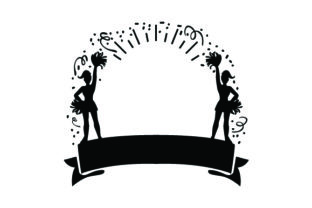
My first impression of the Cheerleader Themed artwork is its inherent sense of motion and spirit. Cheerleading designs rely heavily on dynamic angles and bold silhouettes to convey energy. In a static image, this works beautifully, but in embroidery, we have to manage that energy through stitch direction and density. The layout suggests a design that would serve as a strong centerpiece rather than a subtle accent. The shapes appear distinct enough to support color blocking, which is essential when working with school colors or team branding.
For a handmade product, visual clarity is everything. If the lines are too thin or the details too intricate, the design gets lost on textured fabrics like fleece or terry cloth. This cheerleader theme seems to lean toward bolder graphics, which is a positive indicator for visibility on apparel. However, because the source files are vector-based (SVG/EPS), there is a risk of over-complicating the digitization process. When converting these clean lines to stitches, I recommend maintaining open spaces rather than filling every gap. Negative space is just as important as satin stitches in creating a professional-looking embroidered patch or garment decoration.
Real-World Application: The Custom Sweatshirt Test
To truly evaluate this design, I mentally placed it in a specific production scenario: creating custom crewneck sweatshirts for a local high school pep rally. This is a common request for any Etsy seller or small shop owner during the fall season. Sweatshirts present unique challenges due to the thickness of the fleece and the stretchiness of the knit.
In this scenario, the Cheerleader Themed design needs to be scaled appropriately. A 4x4 inch placement might get swallowed by the bulk of an adult sweatshirt, while a massive back print requires significant stabilization to prevent puckering. If I were producing this custom apparel, I would likely position the design on the left chest or centered on the yoke. The bold nature of cheer graphics pairs exceptionally well with the casual, athletic aesthetic of a crewneck. For a tote bag design, this theme also performs well because canvas provides a stable, non-stretchy foundation that allows for crisp registration between color changes. The versatility across both apparel and accessories makes this a valuable asset for a craft business looking to maximize the ROI of a single design purchase.
Navigating Fabric Limitations and Stabilization
While the theme is versatile, execution requires caution. Because cheerleader motifs often involve skin tones, hair details, and uniform pleats, the stitch density can become problematic if not managed correctly. High-density areas on lightweight fabrics, such as baby onesies or performance tees, can cause the fabric to tear or the design to feel like a bulletproof vest.
If you are planning baby embroidery with this theme, I strongly advise simplifying the design. Remove internal shading and rely on outline or running stitches to define features rather than heavy fill stitches. Always use a soft cutaway stabilizer for stretchy garments to maintain the integrity of the knit. For darker fabrics, ensure your underlay is sufficient to prevent the fabric texture from showing through lighter thread colors. Conversely, on textured fabrics like towels or minky blankets, consider using a water-soluble topping to keep the stitches from sinking into the pile. These technical adjustments are what separate a hobbyist result from a professional finished product.
Critical Watch Points for Makers
- Small Hoop Sizes: Intricate cheerleader faces or hands may lose definition in hoops smaller than 4x4. Scale down with caution or simplify details.
- Stretchy Fabrics: Knits require ballpoint needles and adequate stabilizer to prevent distortion during the stitching of wide satin columns.
- Curved Surfaces: If applying this to caps, ensure the design has been digitized specifically for curved surfaces; flat cheer graphics often distort on hat fronts.
- Washability: Cheer uniforms and spirit wear are washed frequently. Verify that all elements are securely locked down and avoid long floating threads that could snag.
Commercial Viability and Customer Perception
For creative entrepreneurs and digital product sellers, the value of the Cheerleader Themed package lies in its adaptability. Having the SVG and EPS files allows you to create cohesive branding across multiple mediums. You can use the Transparent PNG for printable mockups on your Etsy listing, showing customers exactly what the design looks like before they buy, while using the digitized version for the actual production. This consistency builds customer trust and elevates your brand presentation.
From a sales perspective, cheerleader designs have high perceived value because they are deeply personal. Parents and athletes want gear that represents their specific identity. By offering this as a personalized gift option—perhaps adding a name or graduation year below the graphic—you increase the average order value. However, always verify your licensing rights. Just because you own the digital embroidery file or vector art does not automatically grant commercial usage rights for selling finished goods. Confirming this protects your business and ensures ethical practices.
Designer Notes for Successful Execution
Before committing this design to a final embroidery project, follow these practical steps to ensure quality:
- Test Stitch First: Never run a new design directly on a client’s garment. Stitch it out on scrap fabric similar to your final substrate to check tension and registration.
- Check Thread Contrast: Cheer themes often use metallic or bright threads. Test these against your base fabric to ensure readability and avoid blending issues.
- Review Color Sequence: Optimize the color sort order to minimize jumps and trims, especially if producing bulk orders for a team.
- Mockup Validation: Use the included Transparent PNG to create realistic previews. Compare how the design looks on white versus navy backgrounds to anticipate contrast needs.
- Format Verification: Remember that SVG, EPS, DXF, and PNG are not native embroidery formats. Ensure you have properly converted these design assets into .PES, .DST, .JEF, or your machine's specific format before attempting to stitch.
The Cheerleader Themed collection offers excellent potential for makers in the School Amp and Crafts niche, provided it is approached with technical mindfulness. Whether you are creating holiday embroidery gifts for coaches, outfitting a squad, or expanding your shop’s inventory, success depends on respecting the relationship between the digital art and the physical fabric. By testing thoroughly and adapting the design to your specific medium, you can transform these versatile files into high-quality products that resonate with customers and stand up to the rigors of real-life wear.