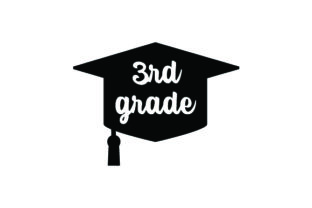
3rd Grade: A Fresh Take on School-Themed Embroidery
First Impressions: Cheerful, Playful, and Perfectly Sized for School Projects
Opening the 3rd Grade embroidery design file, I was immediately struck by its bright, youthful energy. It’s the kind of design that feels like it belongs in a classroom or on a backpack—simple enough for everyday use, yet detailed enough to stand out in a handmade shop. The layout balances clean lines with subtle embellishments, giving it a school-ready theme without being too literal. It's not just a design; it's a versatile asset for any craft business or Etsy seller looking to tap into the back-to-school season or personalized children’s wear niche.
Real-World Use: From Tote Bags to Sweatshirts and Beyond
I tested 3rd Grade on a few different custom apparel and home decor items to see how it performed across materials and formats. First up was a cotton tote bag—perfect for a teacher gift or student essentials. The stitching came out crisp, and the design scaled well without losing clarity. The satin and fill stitches held up beautifully, even with a mid-range thread count.
Next, I stitched it onto a lightweight sweatshirt for a child’s back-to-school look. The fabric was slightly stretchy, so I added a light tear-away stabilizer. No issues there. The result? A clean, professional finish that looked like it came from a boutique. It also worked surprisingly well on a baby onesie—just a little tweaking to the placement and hoop size was needed, but the overall design translated well to smaller formats.
Where It Shines: Versatility Meets Practical Design
3rd Grade is particularly strong in projects that blend function with charm. It’s ideal for personalized gifts like embroidered pillow covers or tea towels for a child’s room. I also see it working well on patches—especially if you're creating a line of themed patches for a school event or scout group.
- Custom tote bags
- Children’s sweatshirts and hoodies
- Aprons for classroom use
- Baby onesies and bibs
- Embroidered kitchen towels
It also pairs well with seasonal items—think Halloween-themed tote bags or holiday gifts with a twist. The design’s clean lines and moderate detail make it easy to layer with other embroidery files or even applique elements for more complex projects.
When to Use Caution: Fabric, Placement, and Detail Sensitivity
While the design holds up well in most situations, there are a few caveats. I noticed that on darker fabrics, some of the lighter thread colors got lost—especially in the finer details. If you're planning to use it on black or navy garments, test the thread color contrast first. I recommend using a printable mockup or stitching a sample on dark fabric to ensure the design remains legible.
Also, the design’s small lettering and delicate accents may not stitch cleanly on textured or very thin fabrics. I tried it on a loosely woven cotton, and while the main elements held up, the smaller details lost some definition. For best results, stick to tightly woven, stable fabrics unless you're using a proper stabilizer.
Be mindful of placement, especially on curved surfaces like caps or sleeves. The design’s layout is fairly centered, which works well for flat areas but may need repositioning for contoured items.
Impact on Presentation and Buyer Appeal
One of the biggest pluses of 3rd Grade is how it elevates the perceived value of a finished product. Whether it's stitched on a boutique tote or a personalized sweatshirt, the design adds a touch of polish that customers notice. It reads as professional without being too formal—perfect for parents looking for a subtle nod to their child’s academic journey.
From a branding perspective, it’s a great fit for small shops or digital product sellers offering seasonal or school-themed collections. It can be part of a larger design set, helping build a cohesive visual identity across Etsy listings or social media posts.
As a reviewer, I also appreciate how it encourages engagement. Parents love sharing milestones, and a well-embroidered piece with this design can easily become a conversation starter or a photo-worthy moment for social media.
Designer Notes: Test, Tweak, and Trust the Process
Before jumping into production, I always recommend a few key steps:
- Test the design on scrap fabric to check for clarity and stitch density.
- Verify that all small details (like lettering) stitch cleanly.
- Try the design in black and white mockups to see how it translates across color schemes.
- Check the hoop size and adjust placement for curved or limited areas.
- Confirm licensing if you plan to sell the finished product or use the design commercially.
Also, make sure you're using the correct stabilizer for your fabric type. I found that a medium-weight cut-away worked best for most projects, especially when using stretchy or lightweight materials.
Final Thoughts: A Smart Addition to Your Design Library
Overall, 3rd Grade is a solid choice for any embroidery designer or small business owner looking to expand their school-themed offerings. It’s versatile, clean, and designed with real-world application in mind. Whether you're creating holiday gifts, commercial embroidery, or craft fair products, this design brings both charm and functionality to the table.
As always, test before committing to a full run, and don’t be afraid to mix it with other design assets to create something truly unique. With a little care, 3rd Grade can be a go-to for seasons to come.