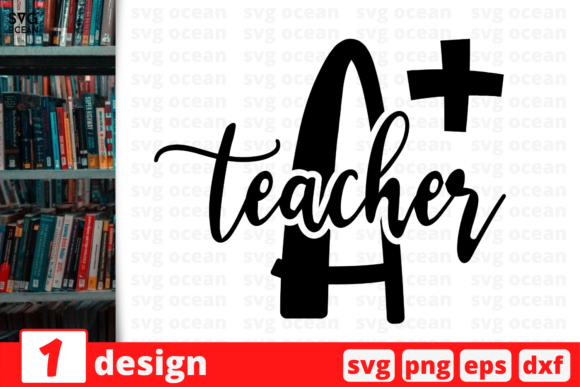
A Teacher: Design Review for Embroidery Projects
First Impressions: Visual Weight and Stitch Potential
When evaluating A Teacher as a potential asset for my embroidery library, my first focus is always on the structural integrity of the graphic before a single needle penetrates fabric. As an experienced designer, I look beyond the cute aesthetic to understand how this machine embroidery design will translate from screen to textile. The initial impression of A Teacher suggests a versatile motif that balances nostalgia with modern craftsmanship. It carries a visual weight that feels appropriate for educational themes without appearing juvenile or overly cartoonish, which is crucial when targeting adult learners, staff appreciation gifts, or boutique merchandise.
The layout appears optimized for digitizing, but as with any digital embroidery file, the true test lies in the pathing and density. For a craft business or Etsy seller, this design needs to offer more than just a pretty picture; it must be production-friendly. I immediately assess whether the lines are clean enough for a crisp satin stitch border or if the internal details require complex fill stitch work that could cause puckering on lighter fabrics. A Teacher seems to strike a balance that allows for readability at various sizes, making it a strong candidate for both left-chest logos and larger center-piece projects.
Real-World Application: The Custom Sweatshirt Test
To truly judge the viability of A Teacher, I mentally placed it into a specific production scenario: creating a custom crewneck sweatshirt for a school district’s staff appreciation week. This is a common request for custom apparel decorators and requires a design that looks professional yet personal. In this context, A Teacher serves as the focal point. When embroidering on fleece-backed cotton, the fabric texture can sometimes swallow fine details. I considered how this design would perform under those conditions.
For this sweatshirt embroidery project, I would likely pair A Teacher with a bold, collegiate-style font below it. The graphic itself provides the emotional connection, while the text offers customization. Because the download includes SVG, DXF, PNG, and EPS formats, I have flexibility. While these are primarily vector and raster graphics for cutting machines like Cricut or Silhouette, they serve as excellent reference templates for digitizers or for creating mixed-media projects. For instance, I could use the SVG to cut heat transfer vinyl (HTV) for the text and embroider A Teacher as the centerpiece, combining techniques for a high-value handmade product. This hybrid approach reduces stitch count and production time while increasing the perceived value of the finished product.
Navigating Fabric Variables and Stabilizer Choices
No embroidery project exists in a vacuum, and A Teacher is no exception. Its performance will vary drastically depending on the substrate. If I were applying this to a structured canvas tote bag design, the stability of the fabric would allow for higher stitch density and sharper corners. However, if the goal is baby embroidery on a soft interlock knit or a stretchy t-shirt, caution is required. Stretchy fabrics demand careful stabilization to prevent the design from distorting during wear and washing.
I always advise testing on scrap fabric first. For A Teacher, checking the interaction between the thread colors and the garment color is vital. High contrast ensures the design pops, but on dark fabrics, you may need to add an underlay or adjust the fill density to prevent the fabric grain from showing through the stitches. When working with textured materials like terry cloth for a kitchen towel or apron, using a water-soluble topping is non-negotiable to keep the stitches from sinking into the pile. These practical adjustments determine whether A Teacher looks like a premium personalized gift or a homemade craft fair reject.
Critical Considerations for Small Details and Hoop Sizes
One area where designers often face challenges is scaling. While A Teacher may look perfect at 4x4 inches, resizing it down to fit a baby onesie or a cap requires scrutiny. Tiny lettering or intricate facial features can become muddy if reduced too much. Before committing to a small hoop size, verify that the minimum text height remains legible and that satin stitch columns do not become too narrow to hold securely. Conversely, enlarging the design for a pillow cover or blanket back may expose gaps in the fill if the original digitizing was not intended for large formats.
- Check Licensing: Always confirm whether your purchase allows for commercial use of finished items versus selling the digital file itself.
- Mockup Testing: Use the included PNG to create a printable mockup for client approval before stitching. This saves thread and prevents costly re-dos.
- Stabilizer Matching: Pair cut-away stabilizer for knits and tear-away for stable wovens to ensure A Teacher lays flat.
- Thread Contrast: Test on both light and dark backgrounds to ensure visibility and brand consistency.
Commercial Viability for Makers and Digital Sellers
For small shop product owners and creative entrepreneurs, A Teacher represents a valuable asset class within the Graphics category. The inclusion of multiple file formats (SVG, DXF, EPS, PNG) makes it a powerhouse for mixed-media creators. Even if you are strictly an embroiderer, having the vector source allows you to create matching stickers, decals, or sublimation prints, expanding your product line without additional design fees. This versatility is key for Etsy sellers looking to maximize the ROI on their design assets.
However, professionalism dictates transparency. Since the product description highlights compatibility with Cricut Design Space and Silhouette Designer Edition, users must understand that this is primarily a graphic file package. If you intend to use it for commercial embroidery, ensure you have either digitized it yourself or purchased a compatible embroidery file version. Misunderstanding file types is a common pitfall for new makers. When used correctly, though, A Teacher can anchor a cohesive collection of holiday embroidery goods, teacher appreciation sets, or educational decor that resonates deeply with buyers.
Final Verdict: Balancing Artistry and Production Reality
Ultimately, A Teacher succeeds because it evokes a specific, warm sentiment while remaining adaptable to various Crafts applications. It avoids the trap of being overly generic, offering enough personality to stand out in a crowded marketplace of educational designs. For the apparel decorator, it offers a reliable motif for seasonal rushes. For the hobbyist, it provides a forgiving canvas to practice different stitch types and color blending.
My recommendation is to treat A Teacher as a foundational element rather than a standalone solution. Pair it with thoughtful typography, respect the limitations of your chosen fabric, and always validate your settings with a test run. Whether you are producing a high-volume batch of embroidered patches for a conference or a singular, cherished gift for a mentor, this design has the potential to deliver beautiful results. Just remember that the quality of the finished product relies as much on your technical execution and material choices as it does on the digital art itself. By approaching A Teacher with a critical, maker-focused mindset, you transform a simple download into a profitable and meaningful part of your creative repertoire.