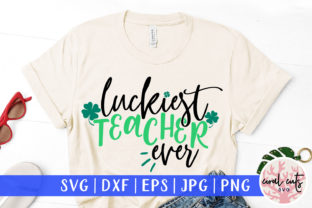
Luckiest Teacher Ever Cut File Review
First Impressions: Typography That Translates to Thread
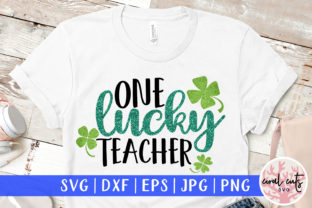
As a designer who bridges the gap between digital graphics and tangible textiles, I approach every new asset with a specific question: will this actually stitch out well? When evaluating the Luckiest Teacher Ever Cut File, my initial assessment focuses on the structural integrity of the lettering. In the realm of Crafts and Graphics, many files are designed solely for vinyl or paper, often featuring lines too thin or serifs too delicate for needle and thread. However, this design presents a bold, confident silhouette that immediately suggests viability for textile applications.
The mood is undeniably celebratory yet grounded. It avoids the overly cursive, loopy scripts that often cause registration issues in machine embroidery. Instead, the clean lines and balanced spacing indicate a design that respects the physical limitations of thread. For an embroidery designer or small business owner, this visual clarity is promising. It signals that the Luckiest Teacher Ever Cut File was likely created with versatility in mind, making it a strong candidate for conversion into an applique design or a dense fill stitch project without requiring extensive manual digitizing repairs.
Real-World Application: The Custom Sweatshirt Test
To truly judge the utility of this file, I mentally placed it in a real-life production scenario. Imagine preparing a custom crewneck sweatshirt for a teacher appreciation gift or a boutique holiday drop. Sweatshirts are high-value items for Etsy sellers and craft businesses, but the fleece texture can be unforgiving. I envision using the Luckiest Teacher Ever Cut File as the primary template for a felt applique on a heather grey sweatshirt.
In this scenario, the SVG compatibility with Cricut Design Space allows me to cut the fabric pieces precisely before hooping. Because the design features substantial letterforms, it accommodates a satin stitch border beautifully without sinking into the fleece pile. This is where the distinction between a simple cut file and a functional embroidery asset becomes clear. If the letters were thinner, I would worry about them disappearing into the fabric texture. Here, the bold geometry ensures the message remains legible and crisp after washing. For a handmade product intended as a personalized gift, this reliability builds customer trust. The finished product looks professional rather than homemade, which is essential for maintaining brand consistency in a competitive market.
Navigating Fabric Variables and Hoop Constraints
While the design is robust, practical experience dictates caution depending on your chosen substrate. Not all projects are created equal, and the Luckiest Teacher Ever Cut File requires strategic planning when moving beyond standard cotton or fleece.
- Stretchy Fabrics: If applying this to a lightweight t-shirt or baby onesie, the stitch density becomes critical. You must use adequate stabilizer to prevent puckering. The bold nature of the design means it carries weight; without proper support, the garment may sag.
- Textured Surfaces: On terry cloth towels or plush blankets, consider adding a water-soluble topping. This prevents the stitches from getting lost in the nap. The DXF file option is particularly useful here if you need to modify the outline for a specific hoop size or machine limitation.
- Small Hoop Sizes: Be wary of resizing this design down for 4x4 hoops. Reducing bold typography too aggressively can cause overlapping satin stitches or illegible corners. Always test the minimum viable size before committing to a production run.
- Curved Items: Caps and tote bags present unique challenges. Ensure the design’s baseline works with the curve of a hat. For tote bag designs, verify that the placement aligns with the bag's seams and handles to avoid stitching through multiple layers unintentionally.
Understanding these variables protects your commercial embroidery reputation. A design that looks perfect on screen can fail on silk or canvas if the physics of the stitch aren't respected.
Elevating Product Value and Shop Presentation
Beyond the technical execution, the Luckiest Teacher Ever Cut File serves as a powerful marketing tool. Visual appeal drives buyer engagement, especially for digital product sellers and makers on platforms like Etsy. Because the file includes both SVG and DXF formats, you have flexibility in creating printable mockups. A clean, high-contrast mockup showing the design on a realistic sweatshirt or apron helps customers visualize the final result, reducing hesitation and cart abandonment.
For creative entrepreneurs, this design supports brand recognition. Its distinct style fits seamlessly into school spirit wear, holiday embroidery collections, and staff merchandise. When used consistently across different products—from embroidered patches to nursery decor—it creates a cohesive collection. This professionalism justifies higher price points. Customers are not just buying a graphic; they are buying a guaranteed outcome. Whether you are selling the digital embroidery file itself or the finished physical product, the inherent quality of the source art directly influences perceived value.
Essential Designer Notes for Success
Before loading this file into your software or cutter, adhere to these professional best practices to ensure a flawless result:
- Verify Licensing: Always confirm whether your purchase includes commercial rights for selling finished products or digital assets. Licensing terms vary, and protecting your business starts with compliance.
- Test Stitch Out: Never skip the test run. Use scrap fabric similar to your final project to check thread colors, tension, and stabilizer performance. What works on cotton may fail on denim.
- Check Contrast: Evaluate the design in black and white before stitching. If the contrast relies solely on color rather than value, it may not read well on certain fabric backgrounds. Adjust thread colors to ensure maximum legibility.
- Inspect Small Details: Zoom in to 200% in your embroidery software. Look for tiny gaps or overlapping nodes that could cause needle breaks or thread bunching. Clean up any artifacts before stitching.
- Mockup Validation: Create mockups on both light and dark fabrics. This reveals potential visibility issues and helps you select the best thread palette for varied inventory.
- Stabilizer Selection: Match your stabilizer to the fabric weight and design density. Cut-away stabilizers generally offer better long-term support for bold designs like this compared to tear-away options.
The Luckiest Teacher Ever Cut File offers significant potential for makers and apparel decorators. By treating it as a foundational element for textile creation rather than just a digital graphic, you unlock its full capacity for beautiful, durable, and profitable projects. Whether you are crafting a heartfelt gift or stocking your shop for the back-to-school rush, this design provides the solid groundwork necessary for professional results. Remember, successful embroidery is a marriage of good art and technical discipline; this file supplies the former, leaving the latter to your expert hands.