2nd Grade: A Fresh Take on School-Themed Embroidery
First Impressions: Cheerful, Simple, and School-Ready
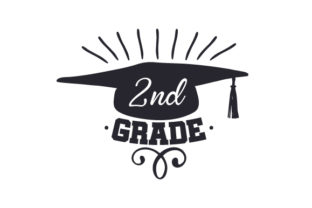
When I first opened the 2nd Grade embroidery file, I was struck by its clean, playful aesthetic. It’s clearly designed with a school theme in mind—think backpacks, books, pencils, and little stars. The layout is balanced without being too busy, which makes it a versatile choice for both kids' and educational-themed projects. The visual personality leans toward a modern, minimalist charm, which is perfect for small business owners and crafters looking to add a touch of whimsy to their handmade products.
What stood out immediately was how the design balances detail with clarity. There’s enough visual interest to draw the eye, but it doesn’t overwhelm the fabric. That’s a big win when you’re embroidering on items like baby clothes or tote bags where simplicity often shines the brightest.
Real-World Use: From Sweatshirts to Patches
I tested 2nd Grade on a few different materials to see how it would hold up in actual use. Starting with a standard cotton tote bag, the design stitched out cleanly, with crisp satin and fill stitches. The lines are bold enough to stay visible without being too aggressive. On a sweatshirt, the design maintained its charm—especially when paired with a bright thread color like navy blue or red. It gave the garment a boutique-style finish that Etsy sellers or small shop owners would appreciate.
For baby items like onesies or burp cloths, this embroidery design felt especially appropriate. It's not overly flashy, but still carries that sweet, sentimental touch parents love in personalized baby gifts. I also stitched a version as a patch, and it worked well—clean edges, no distortion, and held up nicely after trimming and iron-on backing.
Where It Shines: Gift Items, School Gear, and Custom Apparel
One of the standout uses for 2nd Grade is in custom school-themed gifts. Whether you're making a personalized backpack tag for a teacher or a name-stitched pillow for a classroom reading nook, this design adapts well. It reads clearly on both light and dark fabrics, though I recommend testing thread contrast for optimal visibility—especially if you're using it on a dark fabric tote or hoodie.
I also found it to be a solid choice for embroidered tea towels and aprons, especially if you're creating a line of school-inspired kitchen décor. The design’s clean layout makes it easy to pair with other motifs like apples or pencils, without creating visual clutter. For digital product sellers, this design translates well into printable mockups—particularly when showcasing embroidered apparel or accessories in an online shop.
Caution Zones: Fabric, Size, and Detail Considerations
While 2nd Grade is generally well-constructed, there are a few scenarios where you’ll want to proceed with care. First, if you're working with a small hoop size, make sure the full design fits comfortably. I noticed that some of the finer lettering and smaller stars can get a bit lost on tighter hoop setups, especially when stitched on textured or stretchy fabrics.
Also, be mindful of stitch density if you're using this design on thin or delicate materials like baby gauze or sheer cotton. A dense stitch pattern can cause puckering, so adjusting the design's density or adding a lightweight stabilizer underneath can make a big difference. And if you're applying it to curved surfaces like caps or mugs with embroidered sleeves, test the layout on a similar shape first to avoid distortion.
Visual Appeal and Business Value
From a design standpoint, 2nd Grade offers a nice balance of professionalism and playfulness. That makes it ideal for small business owners who want to maintain a consistent brand aesthetic while still offering cute, marketable designs. Whether you're creating a line of boutique-style school gear or custom embroidered gifts, this design adds a polished, handmade touch that customers appreciate.
What I especially like is how well it scales across product types. You can use it on a personalized pillow for a nursery, a name tag for a backpack, or even a holiday ornament. The versatility of the design increases its resale value, especially for Etsy sellers or craft fair vendors who need to maximize the return on each embroidery file they purchase.
Designer Notes: Test Before You Stitch
Before diving into your final project, I strongly recommend running a test stitch on scrap fabric. This helps you catch any issues with thread color, stitch density, or detail clarity before you commit to your main item. I also suggest checking how the design looks in both black and white mockups—this helps visualize how it will appear in different color variations.
Pay attention to the provided file types: SVG, Transparent PNG, EPS, and DXF. These are solid formats for both machine embroidery and digital mockups. If you're using this for commercial embroidery or selling finished products, be sure to verify the licensing terms—especially if you're bundling the design into a digital product or reselling embroidered items.
Lastly, always use the right stabilizer for your fabric type. A lightweight tear-away works great for cotton, while a sticky or cut-away stabilizer is better for stretchy or textured materials. These small steps make a big difference in the final stitch quality and presentation of your finished product.
Final Thoughts: A Dependable Design for School & Craft Projects
All things considered, 2nd Grade is a dependable, well-balanced embroidery design that works well across a range of real-world applications. Whether you're stitching custom apparel, creating personalized gifts, or building out a line of handmade school-themed products, this design delivers both visual appeal and practical usability.
It’s the kind of embroidery file that small shop owners and digital product sellers will appreciate—not just for its aesthetic, but for how easily it integrates into different product lines. As long as you test it on your preferred fabric and keep an eye on detail placement, 2nd Grade is a solid addition to your embroidery project toolkit.